
Commercial & Industrial Epoxy Flooring Melbourne
Epoxy flooring is the definitive flooring solution for commercial and industrial environments where concrete floors need protection from heavy traffic, chemical exposure, impact damage, and constant cleaning. At Commercial Floors, we supply and install commercial-grade and industrial-grade epoxy flooring systems across Melbourne and Victoria for factories, warehouses, food processing plants, automotive workshops, showrooms, commercial kitchens, hospitals, and retail spaces.
With over 30 years of commercial flooring experience, we specify the right epoxy system for your exact operating conditions — not a one-size-fits-all coating, but an engineered flooring solution matched to your traffic loads, chemical exposure, hygiene requirements, and aesthetic preferences.
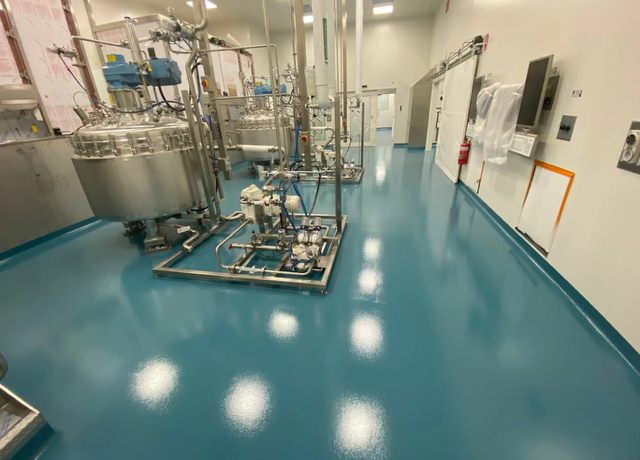
Types of Commercial & Industrial Epoxy Flooring
Solid Epoxy Floor Coating
A high-build, seamless epoxy coating applied over prepared concrete. Available in a wide range of solid colours with gloss, satin, or matte finishes. Ideal for warehouses, manufacturing plants, commercial garages, and retail showrooms where a clean, durable, easy-to-maintain surface is required. Typical system thickness: 300–500 microns.
Decorative Flake Epoxy
Coloured vinyl flakes broadcast into the epoxy coating create a multi-toned, textured finish that hides minor imperfections and provides enhanced slip resistance. Popular for automotive showrooms, retail spaces, commercial lobbies, and office car parks. Available in dozens of colour blends.
Quartz Epoxy Flooring
Coloured quartz aggregate broadcast into the epoxy system creates an extremely durable, slip-resistant surface ideal for commercial kitchens, food processing areas, brewery floors, and any environment requiring both hygiene and heavy-duty performance.
Anti-Static (ESD) Epoxy Flooring
Electrostatic dissipative epoxy systems designed for electronics manufacturing, server rooms, data centres, pharmaceutical clean rooms, and any environment where electrostatic discharge can damage sensitive equipment. Meets AS/NZS 2020 requirements for ESD flooring.
High-Build Industrial Epoxy
Heavy-duty, self-levelling epoxy systems at 2–6mm thickness for the most demanding industrial environments. Resistant to forklift traffic, pallet jack loads, chemical spills, and thermal shock. Suitable for heavy manufacturing, logistics centres, and automotive workshops.
Why Choose Epoxy Flooring for Commercial & Industrial Spaces?
Seamless & Hygienic
Epoxy creates a continuous, non-porous surface with no joints or seams where bacteria, dirt, or chemicals can accumulate. This makes it ideal for food processing, pharmaceutical, and healthcare environments where hygiene is critical.
Chemical Resistant
Commercial epoxy systems resist a wide range of chemicals including acids, alkalis, solvents, fuels, oils, and cleaning agents. We match the epoxy chemistry to your specific chemical exposure profile.
Impact & Abrasion Resistant
Industrial-grade epoxy withstands dropped tools, heavy machinery, forklift traffic, and constant abrasion without cracking, chipping, or wearing through.
Dust-Proof
Bare concrete sheds dust continuously. Epoxy seals the concrete surface, eliminating concrete dust — critical for food production, electronics manufacturing, and any clean environment.
Fast Return to Service
Many epoxy systems can be walked on within 12–24 hours and returned to full service within 48–72 hours, minimising operational downtime.
Slip Resistance
Anti-slip aggregates can be incorporated into any epoxy system to meet specific slip resistance requirements (R10, R11, R12) for wet or contaminated environments.
Long Lifespan
Professionally installed commercial epoxy flooring lasts 10 to 20 years in typical industrial environments, depending on traffic and exposure conditions.
Where Commercial & Industrial Epoxy Flooring Excels
Factories & Manufacturing Plants
Protect concrete from heavy machinery, forklifts, chemical spills, and constant traffic. Dust-proofing and easy cleaning improve workplace safety and product quality.
Warehouses & Distribution Centres
Seamless, impact-resistant surfaces that handle pallet racking loads, forklift traffic, and high-volume throughput without degradation.
Food Processing & Commercial Kitchens
Hygienic, chemical-resistant, slip-resistant surfaces that meet HACCP and food safety requirements. Coved skirting eliminates wall-floor junctions where bacteria accumulate.
Automotive Workshops & Showrooms
Oil-resistant, easy-to-clean surfaces for service bays and visually striking finishes for showroom floors.
Pharmaceutical & Clean Rooms
Seamless, dust-free, chemical-resistant surfaces meeting pharmaceutical GMP requirements.
Retail & Commercial Showrooms
Decorative flake and metallic epoxy finishes create eye-catching feature floors that enhance brand presentation.
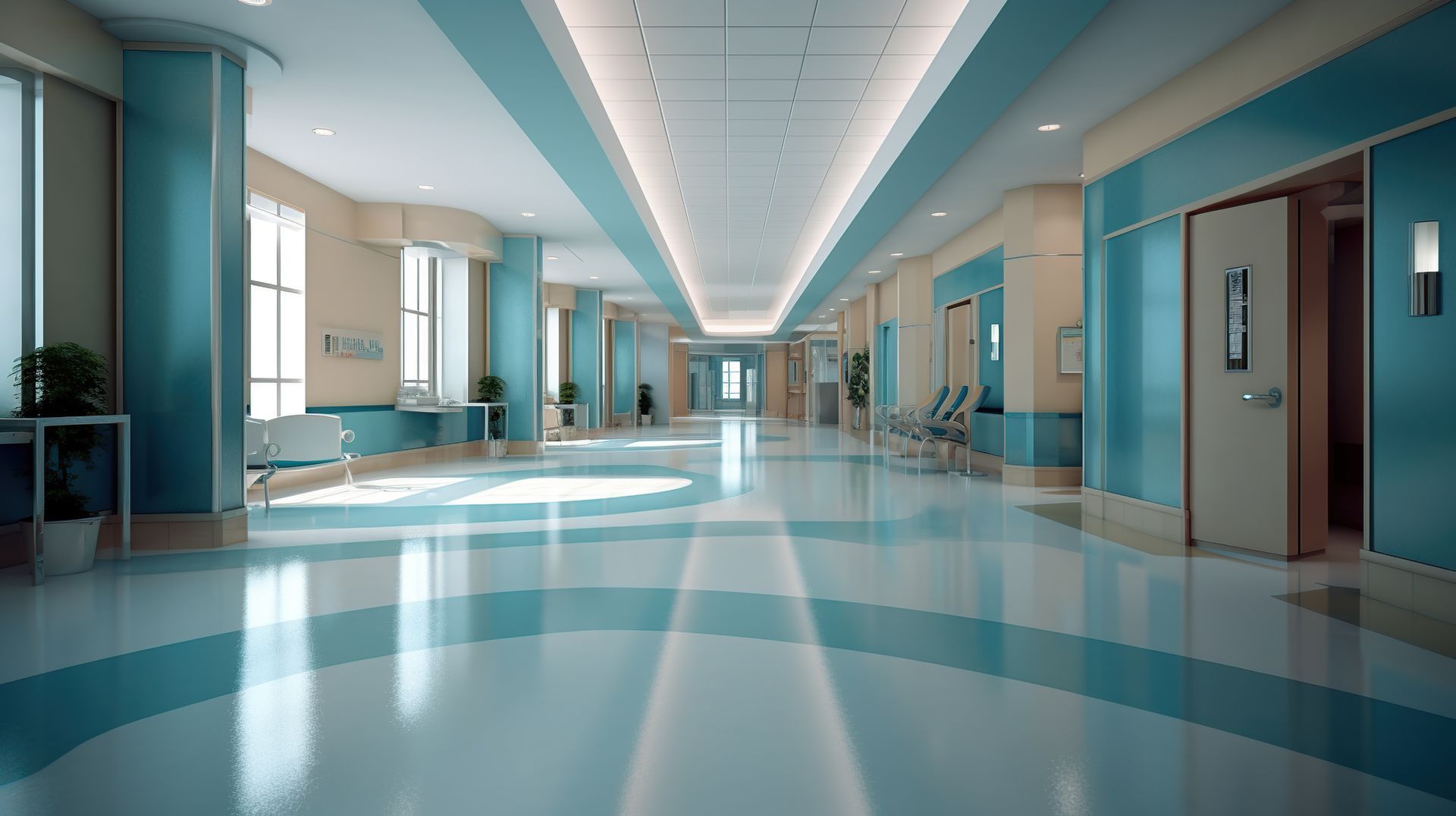
Hospital Plant Rooms & Service Areas
Chemical-resistant, easy-to-clean surfaces for back-of-house healthcare environments.
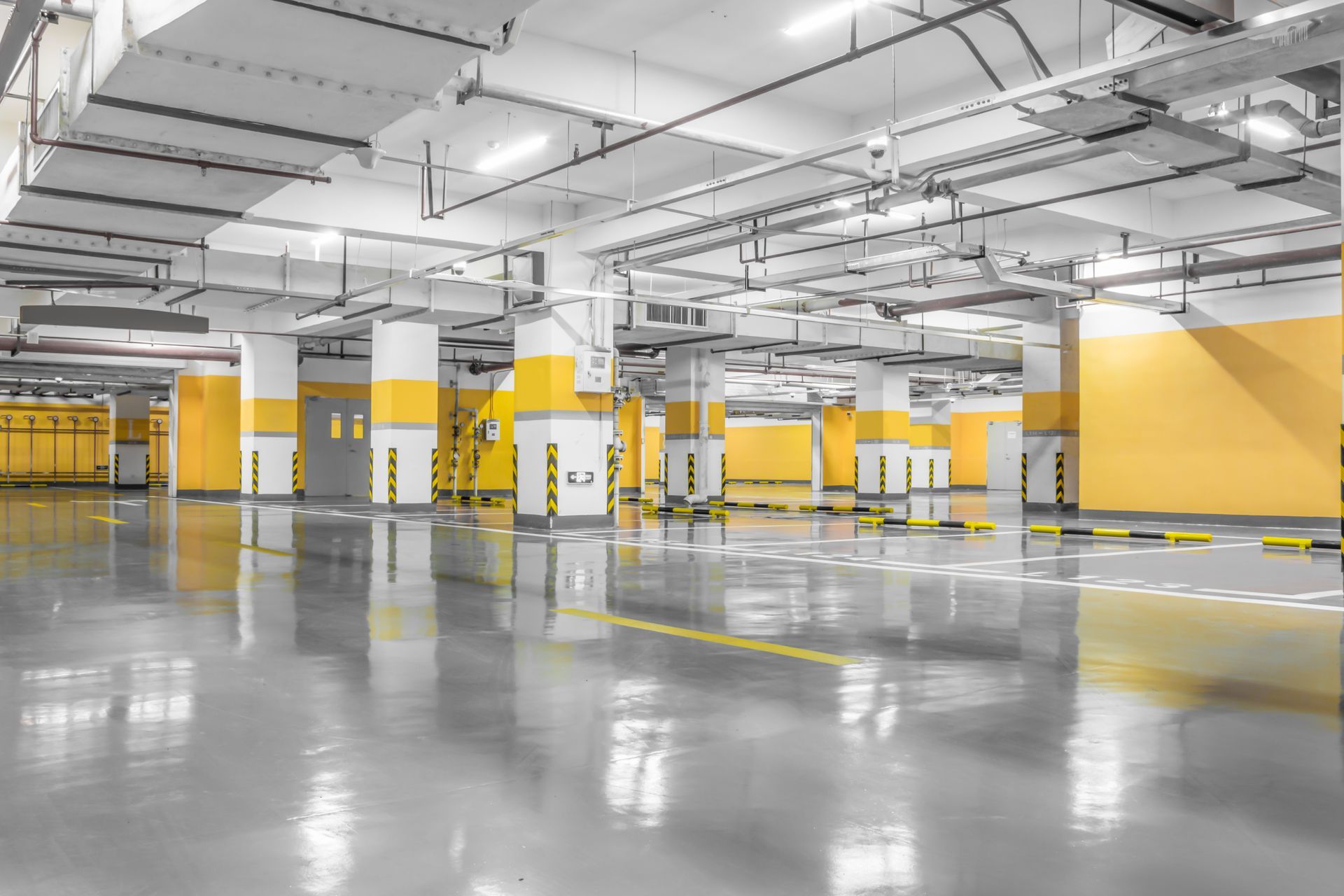
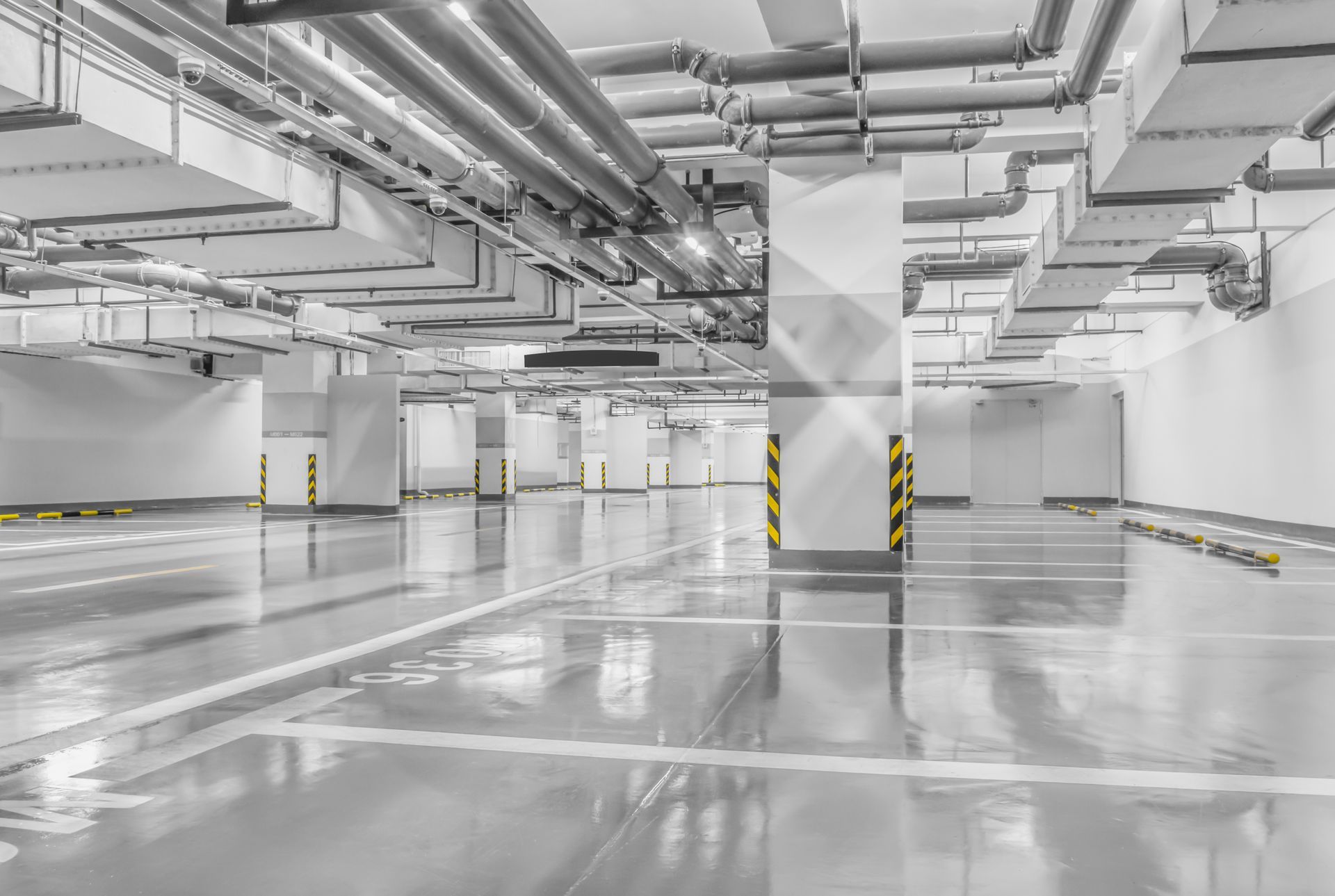
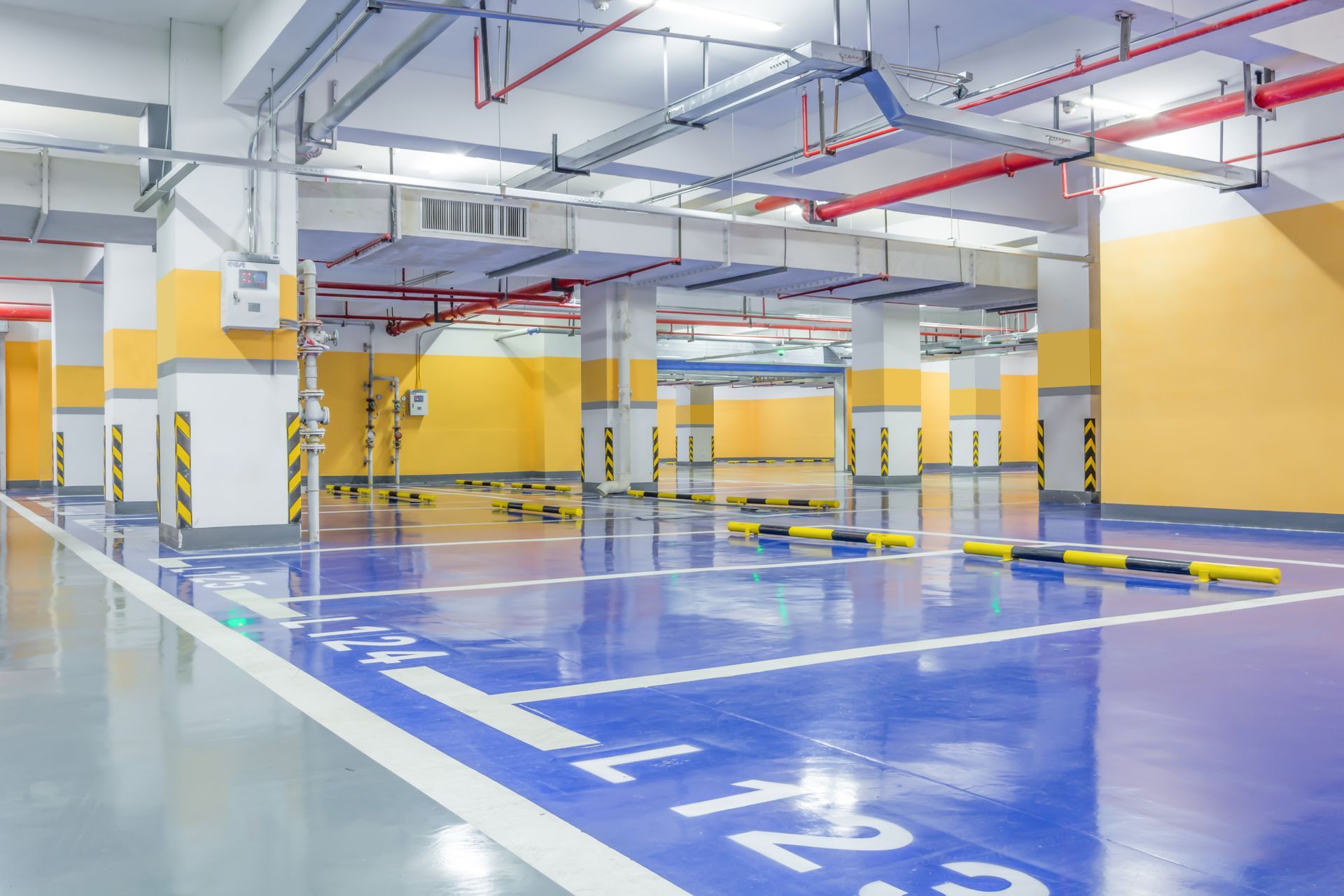
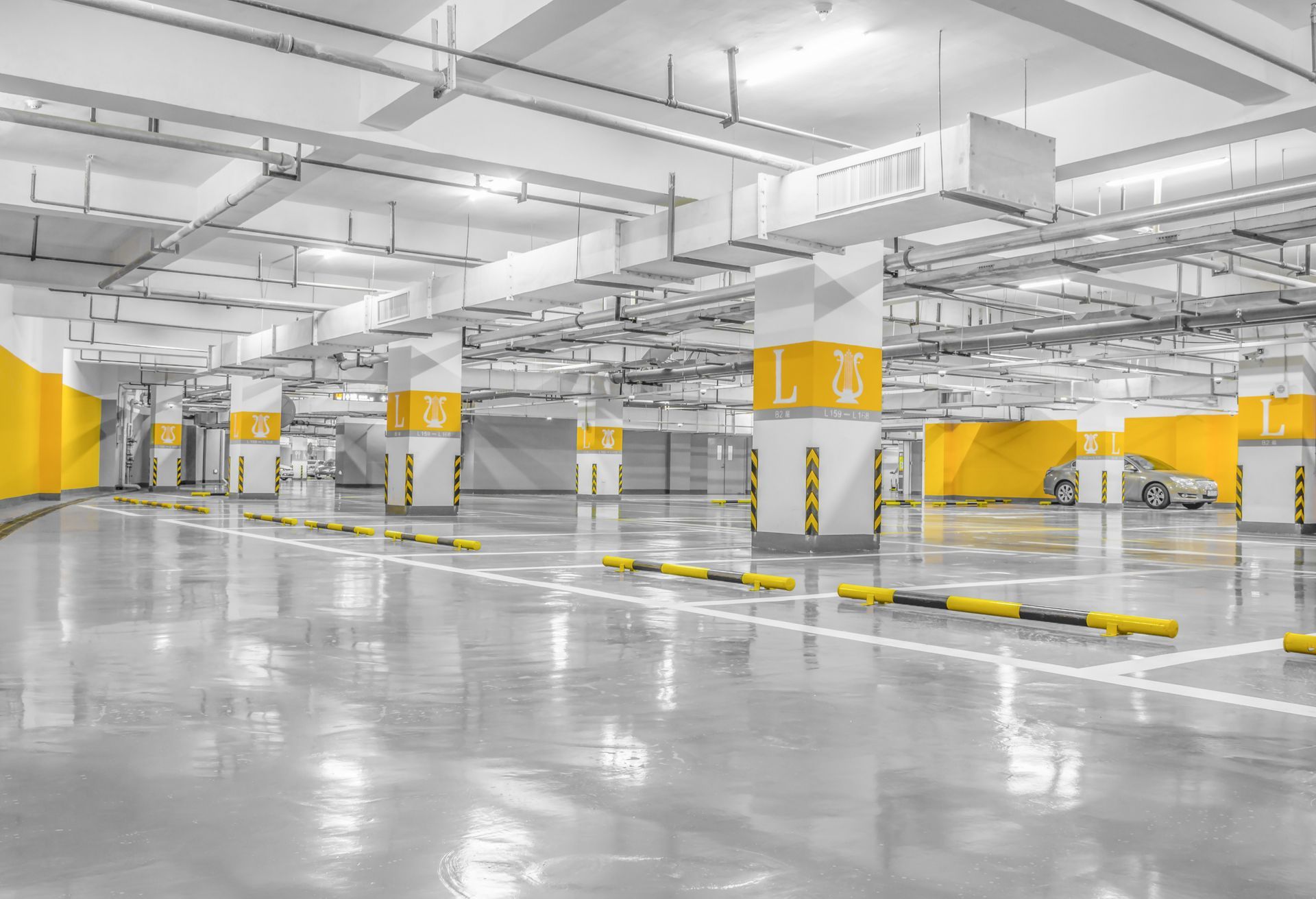
Car Parks & Loading Docks
Durable, slip-resistant coatings that withstand vehicle traffic and are easy to demarcate with line marking.
The Epoxy Flooring Installation Process
Site Assessment
We inspect your concrete floor, assess its condition, identify any moisture issues, and discuss your operational requirements, chemical exposure, and aesthetic preferences.
System Specification
We specify the right epoxy system for your exact conditions. This is not guesswork — it is an engineered specification based on your traffic loads, chemical exposure, hygiene requirements, and budget.
Surface Preparation
The most critical step. We mechanically prepare the concrete using diamond grinding, shot blasting, or scarifying to create the surface profile required for proper epoxy adhesion. Poor preparation is the number one cause of epoxy floor failure.
Priming
A penetrating epoxy primer is applied to seal the concrete and ensure maximum adhesion of the subsequent coating layers.
Epoxy Application
Multiple coats of epoxy are applied by roller, squeegee, or trowel depending on the system type and thickness specified. Decorative elements (flakes, quartz, anti-slip aggregate) are broadcast between coats as required.
Topcoat & Curing
A clear or tinted topcoat provides UV stability, additional chemical resistance, and the final aesthetic finish. The floor cures and is ready for light traffic within 12–24 hours and full service within 48–72 hours.
Epoxy Flooring Specifications
System Thickness
300 microns (standard coating) to 6mm+ (heavy-duty self-levelling).
Chemical Resistance
Engineered for specific chemical exposure profiles including acids, alkalis, solvents, fuels, and food substances.
Slip Resistance
R10, R11, R12 ratings available with anti-slip aggregate incorporation.
Temperature Resistance
Standard epoxy to 60°C; polyurethane cement systems to 120°C for thermal shock environments.
ESD Compliance
Anti-static systems meeting AS/NZS 2020 for electrostatic dissipative flooring.
Food Safety
HACCP-compliant systems with seamless coved skirting for food processing environments.

Frequently Asked Questions
How much does commercial epoxy flooring cost in Melbourne?
Commercial epoxy flooring in Melbourne typically costs $60 to $150 per square metre installed, depending on the system type and thickness. Standard solid colour coatings start from approximately $60/m². Heavy-duty self-levelling industrial systems range from $100 to $150+/m². We provide free on-site quotes for every project.
How long does epoxy flooring last in commercial environments?
Professionally installed commercial epoxy flooring lasts 10 to 20 years in typical industrial environments, depending on traffic intensity, chemical exposure, and maintenance. High-build systems in less demanding environments can last even longer. Regular maintenance and periodic recoating can extend the lifespan further.
Is epoxy flooring suitable for food processing?
Yes. We install HACCP-compliant epoxy and polyurethane cement flooring systems specifically designed for food processing environments. These systems are seamless, non-porous, chemical-resistant, and incorporate coved skirting to eliminate bacteria harbourage points at wall-floor junctions. They meet Australian food safety requirements.
How long does epoxy flooring take to install?
Installation time depends on the floor area and system complexity. A typical 200–500m² warehouse floor takes 3 to 5 days including surface preparation and curing. Light foot traffic is possible within 12–24 hours; full operational traffic within 48–72 hours. We can work after hours and on weekends to minimise operational disruption.
Can epoxy be applied over existing flooring?
Epoxy is typically applied over concrete substrates. Existing coatings, tiles, or vinyl must usually be removed and the concrete mechanically prepared before epoxy application. We assess your existing floor condition during our free site consultation and advise on the best preparation approach.
What is the difference between epoxy and polyurethane cement flooring?
Epoxy flooring is excellent for most commercial and industrial applications. Polyurethane cement flooring is the next level — it withstands higher temperatures (up to 120°C), more aggressive chemicals, and greater thermal shock, making it the preferred choice for food processing, breweries, and heavy industrial environments where epoxy alone may not be sufficient.
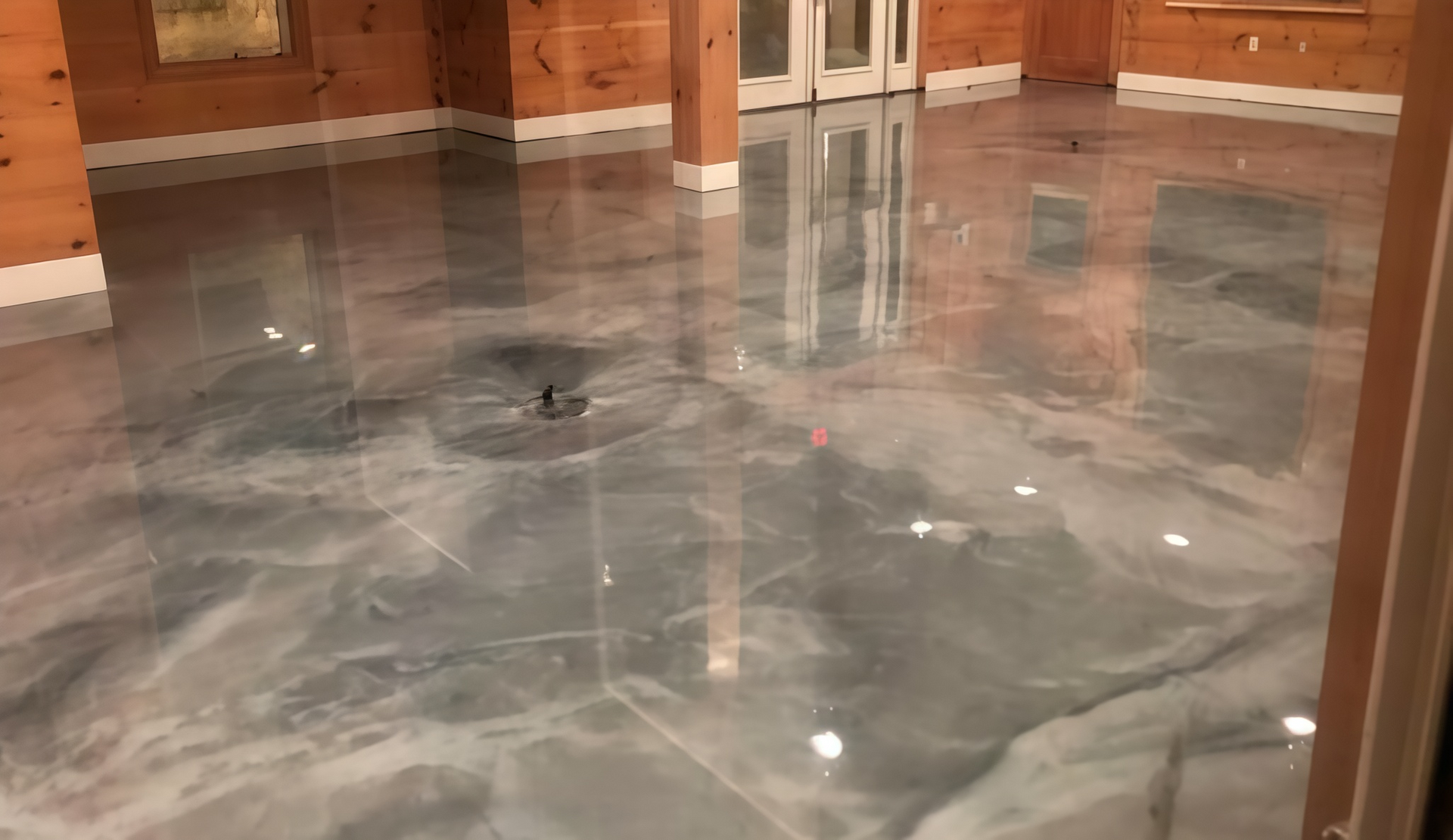
Where Epoxy Flooring Is Used
Factories & industrial | Healthcare & aged care | Retail & hospitality | Floor preparation | Concrete grinding & polishing
Where Epoxy Flooring Is Used
Get a Free Quote Today
Call us on 0419 810 810 or request a free measure and quote. We come to you — anywhere in Melbourne and regional Victoria.