
Polyurethane Cement Flooring Melbourne — The Toughest Commercial Floor Available
When standard epoxy is not enough, polyurethane cement (PU cement) flooring delivers the ultimate in chemical resistance, thermal shock resistance, and mechanical durability. This is the flooring system specified by food processing plants, breweries, dairy facilities, commercial bakeries, pharmaceutical manufacturers, and heavy industrial operations where conditions exceed the capabilities of conventional epoxy coatings.
Commercial Floors supplies and installs polyurethane cement flooring systems across Melbourne and Victoria, using products from leading manufacturers including Sika, BASF, and Flowcrete.
Why Polyurethane Cement Outperforms Standard Epoxy
Thermal Shock Resistance
PU cement withstands temperatures from -40°C to +120°C and resists thermal shock from steam cleaning, boiling water wash-downs, and hot product spills. Standard epoxy can crack under thermal cycling — PU cement does not.
Superior Chemical Resistance
Resists organic acids (citric, lactic, acetic), animal fats, sugars, dairy products, CIP chemicals, and aggressive cleaning agents that would degrade standard epoxy over time.
Extreme Mechanical Durability
Typical system thickness of 6–9mm provides exceptional impact resistance and load-bearing capacity for heavy machinery, forklifts, and pallet traffic.
HACCP & Food Safety Compliance
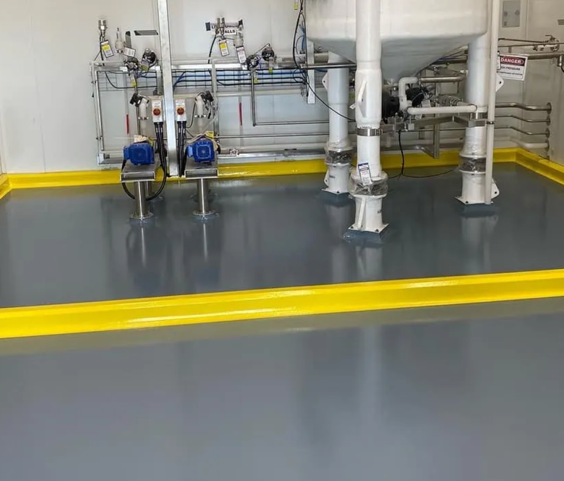
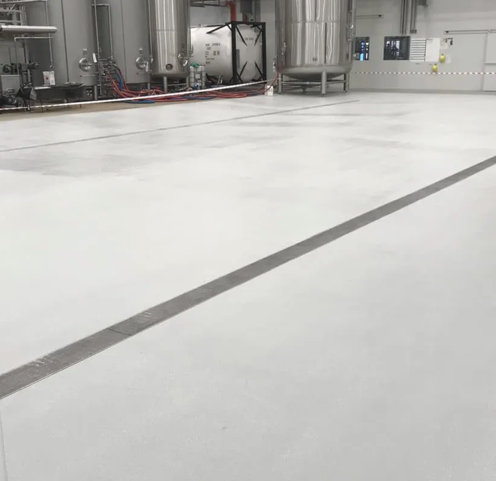
Seamless, non-porous, impervious to bacteria and moisture. Integral coved skirting eliminates wall-floor junctions. Meets all Australian food safety and hygiene requirements.
Rapid Installation
Can be applied over properly prepared concrete in as little as 24–48 hours with rapid-cure formulations, minimising production downtime. Where PU Cement Flooring Is Essential
Where PU Cement Flooring Is Essential
Food & Beverage Processing
Meat processing, dairy, bakeries, confectionery, ready-meals, and beverage production where thermal shock from hot wash-downs and organic acid exposure are daily occurrences.
Breweries & Distilleries
Resists yeast, alcohol, sugars, acids, and the constant steam and hot water cleaning cycles that destroy standard epoxy floors.
Commercial & Industrial Kitchens
Large-scale catering, hospital kitchens, and institutional food service where boiling liquids, oils, and aggressive cleaning are constant.
Pharmaceutical Manufacturing
Chemical-resistant, seamless, dust-free surfaces meeting pharmaceutical GMP requirements.
Chemical Processing
Environments with aggressive chemical exposure that exceeds the resistance profile of standard epoxy systems.
PU Cement Specifications
System Thickness
6mm to 9mm (significantly thicker than standard epoxy coatings).
Temperature Range
-40°C to +120°C continuous. Withstands steam cleaning and thermal shock.
Chemical Resistance
Organic acids, animal fats, sugars, CIP chemicals, alkalis, and solvents.
Slip Resistance
R11 to R13 ratings available with integral anti-slip textures.
Manufacturers
Sika Purcem, BASF MasterTop, Flowcrete.
Frequently Asked Questions
How much does polyurethane cement flooring cost?
Polyurethane cement flooring typically costs $120 to $250 per square metre installed in Melbourne, depending on system thickness, finish type, and project size. It is more expensive than standard epoxy but is the only flooring system that withstands the extreme conditions found in food processing and heavy industrial environments.
What is the difference between PU cement and epoxy?
Polyurethane cement is significantly more resistant to thermal shock (to 120°C), organic acids, and aggressive chemicals than standard epoxy. It is also thicker (6–9mm vs 0.3–3mm for epoxy) and more impact-resistant. PU cement is specified when conditions exceed epoxy’s capabilities — particularly in food processing, breweries, and heavy industry.
Is PU cement flooring food-safe?
Yes. Polyurethane cement flooring is the preferred flooring system for food processing facilities worldwide. It is seamless, non-porous, HACCP-compliant, and resistant to the organic acids, fats, sugars, and cleaning chemicals found in food production environments.
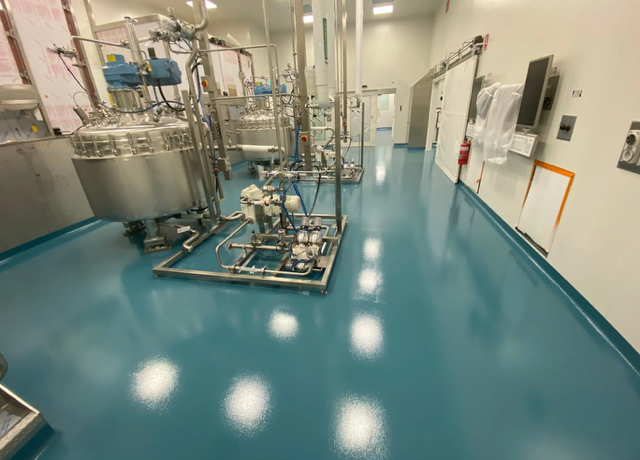
Where Polyurethane Cement Flooring Is Used
Factories & industrial | Healthcare & aged care | Retail & hospitality | Floor preparation | Emergency flooring
Where Polyurethane Cement Flooring Is Used
Get a Free Quote Today
Call us on 0419 810 810 or request a free measure and quote. We come to you — anywhere in Melbourne and regional Victoria.