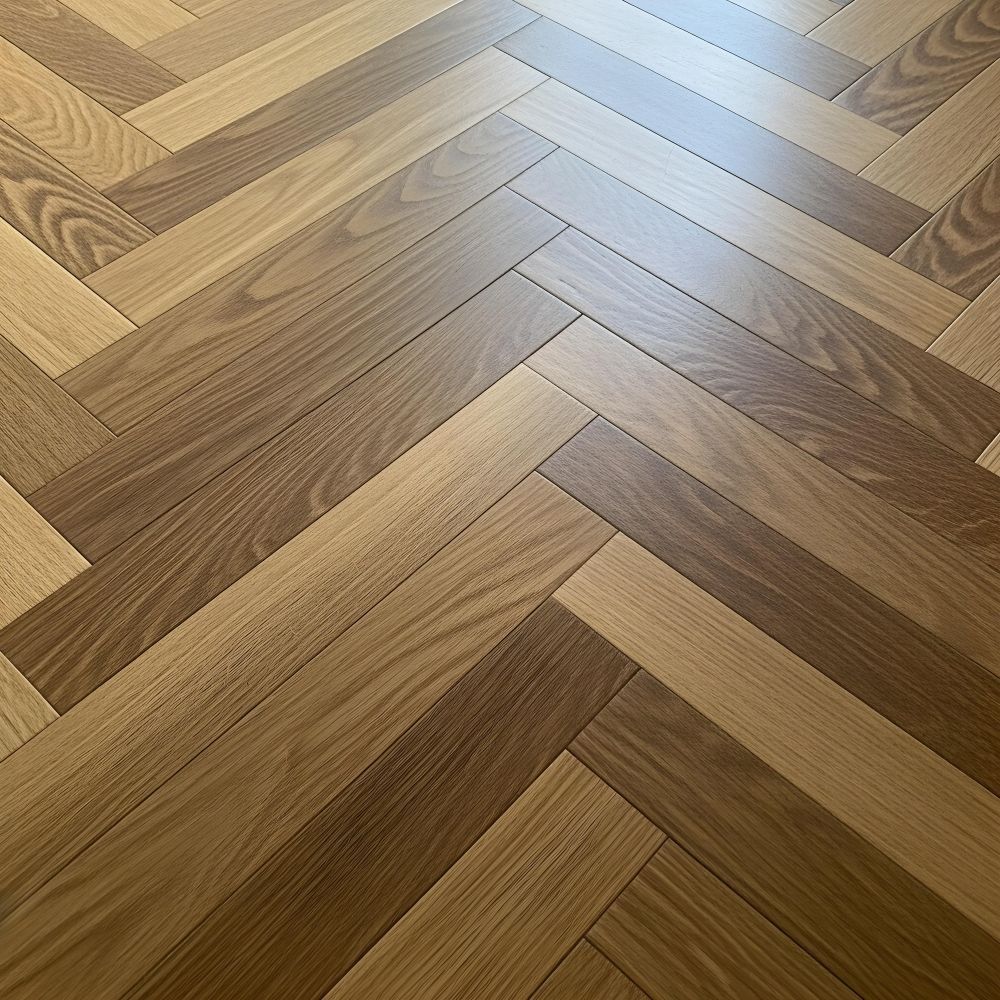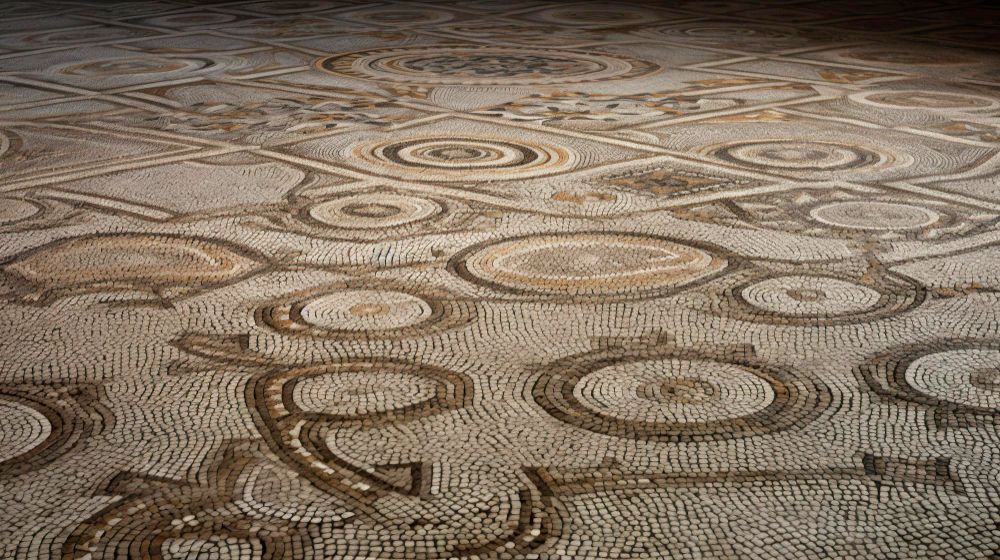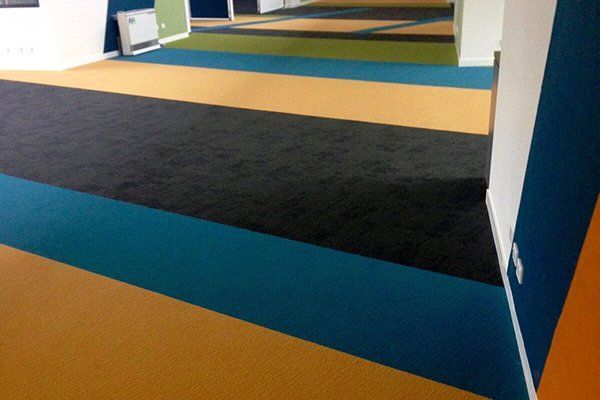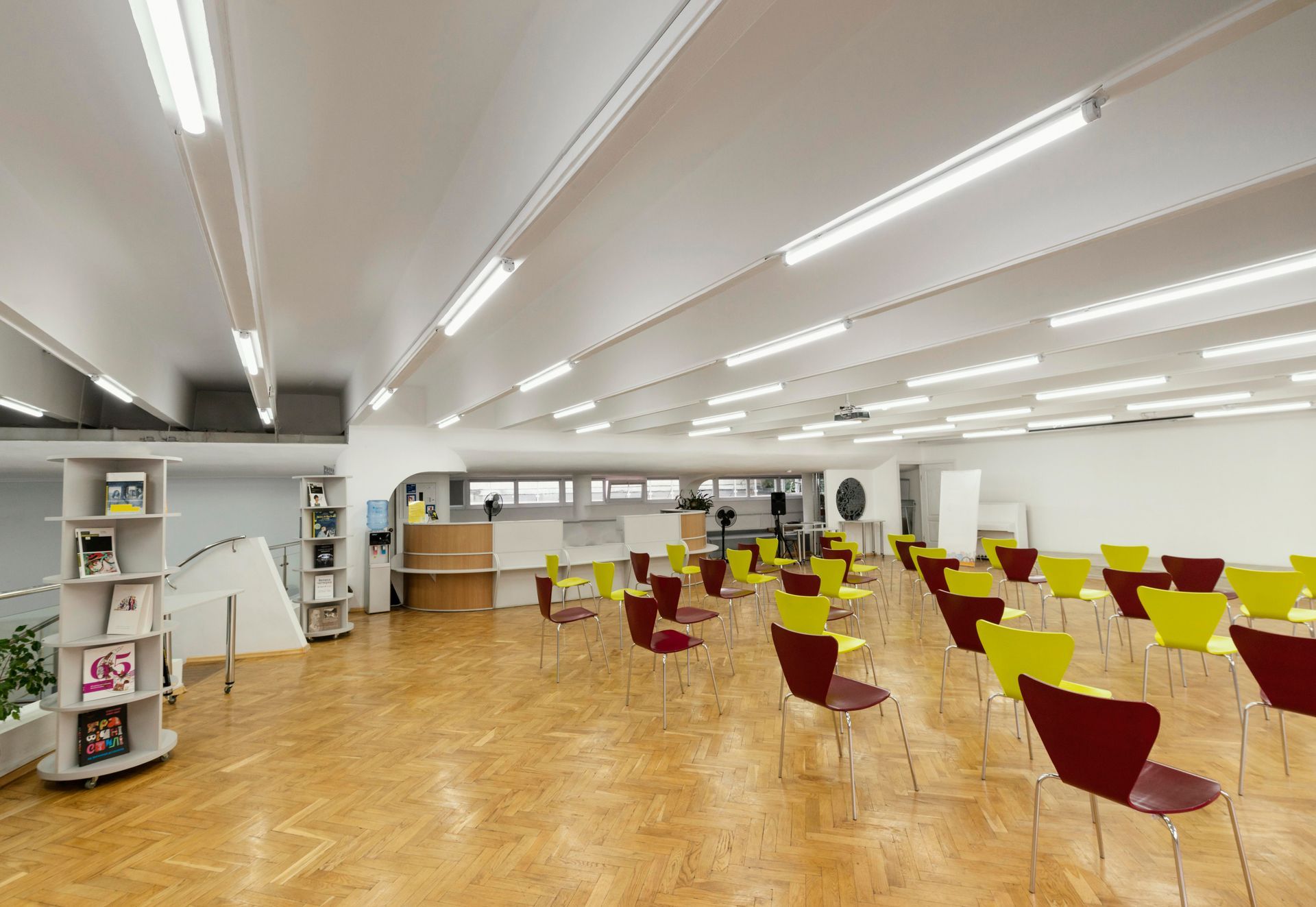
Epoxy flooring has become the go-to solution for protecting and enhancing concrete floors in commercial and industrial environments across Australia. But not all epoxy systems are created equal, and choosing the wrong one for your specific conditions can result in premature failure, wasted investment, and operational disruption.
This guide covers everything you need to know about commercial and industrial epoxy flooring — the different types, where each excels, realistic 2026 pricing, the installation process, and the critical importance of proper surface preparation. It is written from our 30+ years of experience installing commercial flooring across Melbourne and Victoria.
What Is Epoxy Flooring?
Epoxy flooring is a two-component resin system (resin + hardener) applied over concrete to create a hard, seamless, durable surface. When the two components are mixed and applied, they chemically react to form a rigid plastic material that bonds to the concrete substrate. The result is a surface that is significantly harder, more chemical-resistant, and easier to maintain than bare concrete.
Commercial epoxy should not be confused with DIY epoxy paint or thin garage coatings available at hardware stores. Professional commercial and industrial epoxy systems are applied at significantly greater thicknesses using specialised equipment over mechanically prepared concrete — and they perform at an entirely different level.
Types of Commercial Epoxy Flooring
- Thin Film Coatings (300–500 microns) — Applied by roller over prepared concrete. Suitable for light commercial environments such as showrooms, retail back-of-house, and light industrial workshops. The most cost-effective option.
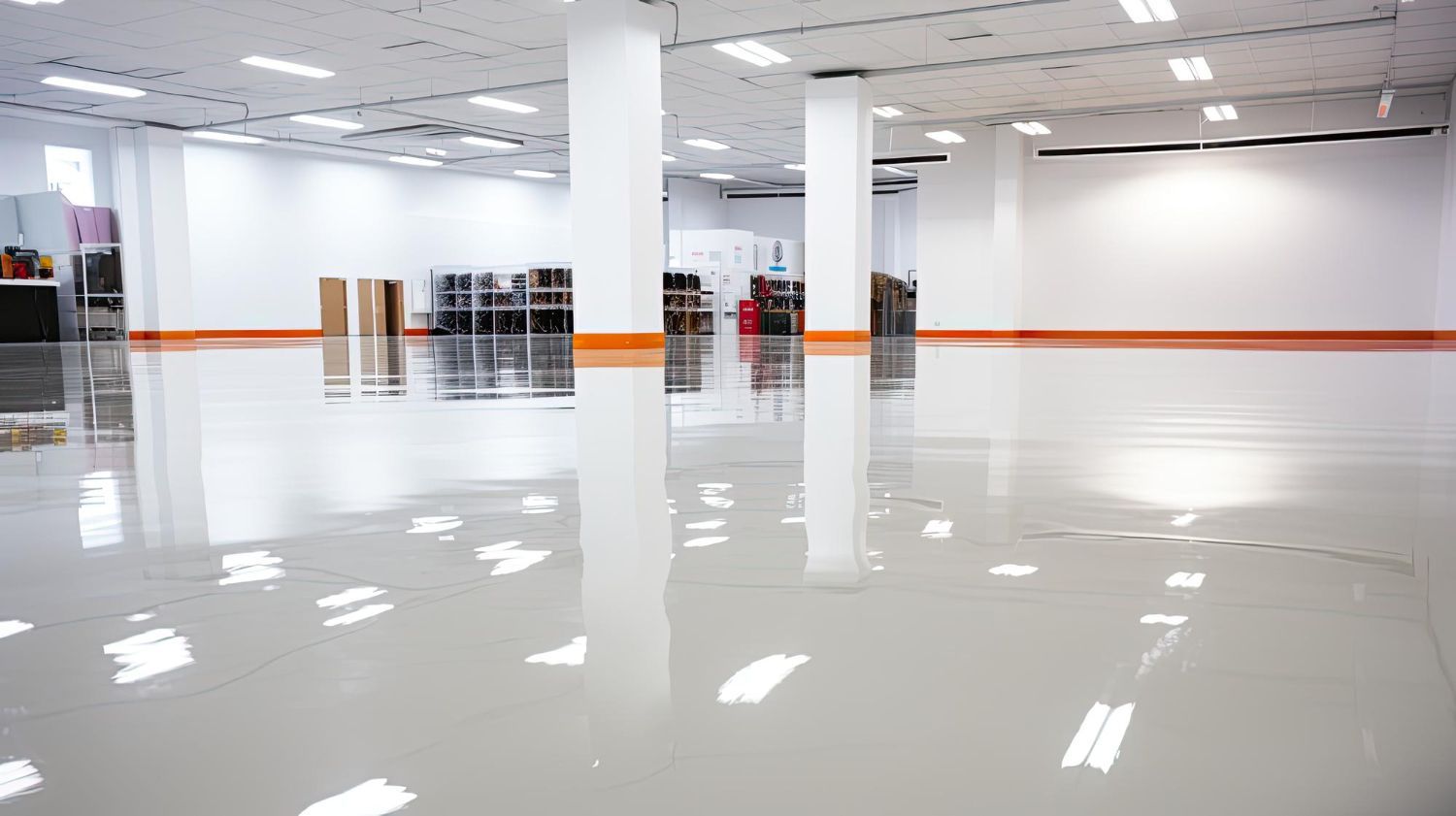
- Self-Levelling Epoxy (1–3mm) — Poured and spread to create a perfectly smooth, level surface. Ideal for pharmaceutical, electronics, and food preparation environments where a seamless, easy-to-clean floor is essential.
- High-Build Systems (3–6mm) — Trowel-applied, heavy-duty systems for the most demanding industrial environments. Maximum chemical resistance, impact resistance, and load-bearing capacity.
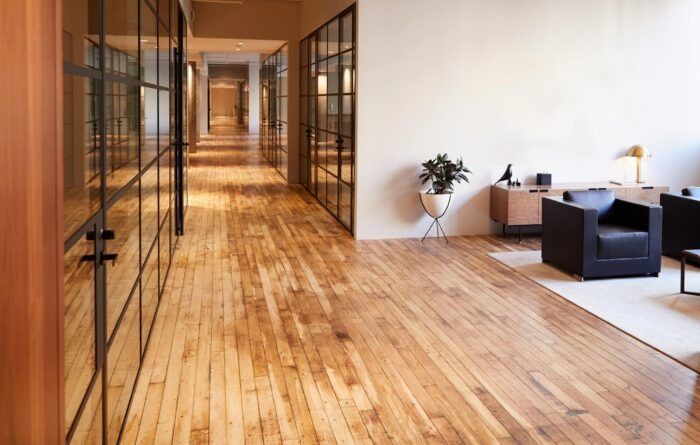
- Decorative Systems — Flake, quartz, metallic, and terrazzo-effect finishes for commercial spaces where aesthetics matter alongside performance. Showrooms, lobbies, retail, and hospitality.
- Anti-Static (ESD) Systems — Specialised conductive or dissipative formulations for electronics manufacturing, data centres, pharmaceutical, and munitions environments.
- Polyurethane Cement (PU Cement) — Not strictly epoxy, but often grouped with resinous flooring. The ultimate solution for food processing, breweries, and environments with extreme thermal shock and chemical exposure. See our dedicated PU cement page for details.
2026 Epoxy Flooring Costs — Melbourne
- Thin Film Coating: $60 – $80/m² installed
- Self-Levelling (1–3mm): $80 – $120/m² installed
- High-Build (3–6mm): $100 – $150/m² installed
- Decorative (Flake/Quartz): $70 – $110/m² installed
- Anti-Static (ESD): $90 – $140/m² installed
- Polyurethane Cement: $120 – $250/m² installed
Costs depend on system type, thickness, floor area, concrete condition, and access. We provide free on-site quotes for every project.
The Critical Importance of Surface Preparation
Surface preparation accounts for 70–80% of the success of any epoxy flooring installation. Without proper preparation, even the highest-quality epoxy will fail — peeling, bubbling, or delaminating within months.
Professional surface preparation involves mechanically profiling the concrete using diamond grinding, shot blasting, or scarifying to create a surface texture that the epoxy can mechanically bond to. This removes laitance, contaminants, existing coatings, and weak surface layers.
Moisture testing is also essential. Excess moisture vapour transmission from the concrete slab can prevent epoxy adhesion and cause blistering. We test moisture levels to Australian Standards and apply moisture barriers when necessary.
This is why professional installation matters. The difference between a commercial epoxy floor that lasts 15+ years and one that fails in 12 months almost always comes down to surface preparation.
Choosing the Right Epoxy for Your Facility
The right epoxy system depends entirely on your specific operating conditions. Key factors we assess include: traffic type and intensity (foot, forklift, pallet jack), chemical exposure profile, temperature range and thermal shock, hygiene and food safety requirements, anti-static requirements, aesthetic preferences, and budget. We conduct a thorough site assessment and specify the system engineered for your exact conditions — not a generic off-the-shelf coating.
Frequently Asked Questions
What is the best epoxy for a warehouse floor?
For warehouse floors, a standard solid epoxy coating (300–500 microns) provides excellent protection against forklift traffic, abrasion, and dust at $60–80/m² installed. For warehouses with chemical exposure or heavy impact loads, a high-build self-levelling system (1–3mm) at $80–120/m² provides superior performance. We assess your specific operational conditions to recommend the right system.
How long does epoxy flooring installation take?
A typical 200–500m² commercial epoxy floor takes 3 to 5 days including surface preparation and curing. Thin film coatings are fastest (2–3 days). Heavy-duty self-levelling systems may take 4–7 days. We can work after hours and on weekends to minimise operational disruption.
Why does commercial epoxy cost more than DIY epoxy?
Professional commercial epoxy systems use significantly higher-grade resins, are applied at greater thicknesses (300+ microns vs 50–100 microns for DIY), require mechanical surface preparation (diamond grinding or shot blasting), and are installed by experienced applicators. The result is a floor that lasts 10–20 years vs 1–3 years for a typical DIY application.
Get a Free Quote Today
Call us on 0419 810 810 or request a free measure and quote. We service all of Melbourne and regional Victoria — commercial and industrial premises only.