It is the most common question we hear from facility managers, office designers, and school principals: should I choose luxury vinyl plank or carpet tiles? Both are excellent commercial flooring products, but they suit different situations. This honest, side-by-side comparison will help you make the right decision for your space.
Head-to-Head Comparison
Aesthetics
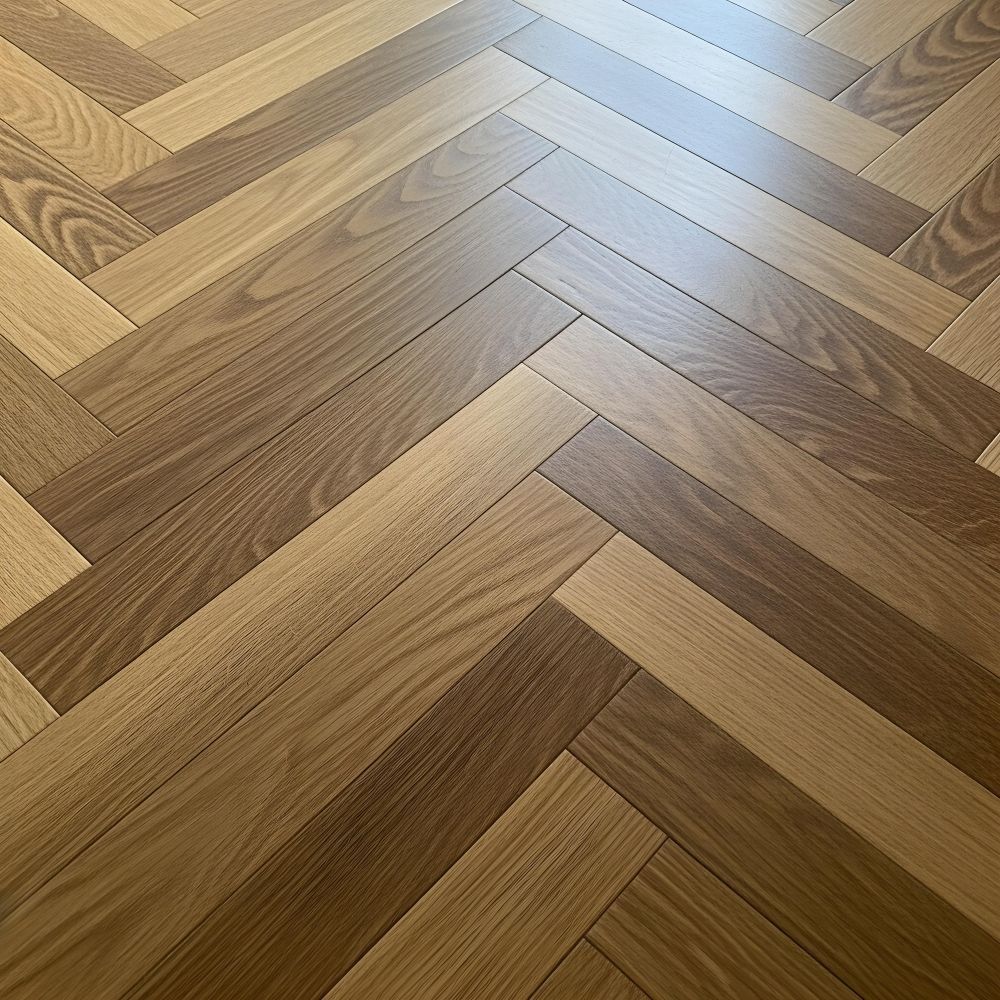
- Vinyl Plank: Delivers realistic timber and stone looks that bring warmth and sophistication to commercial spaces. Available in a wide range of wood tones from blonde ash to dark walnut, plus contemporary stone and concrete finishes.
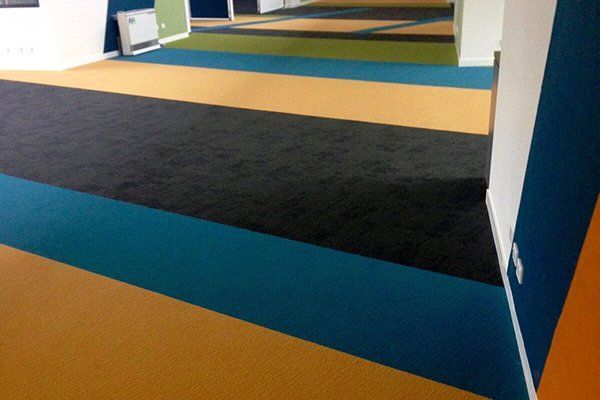
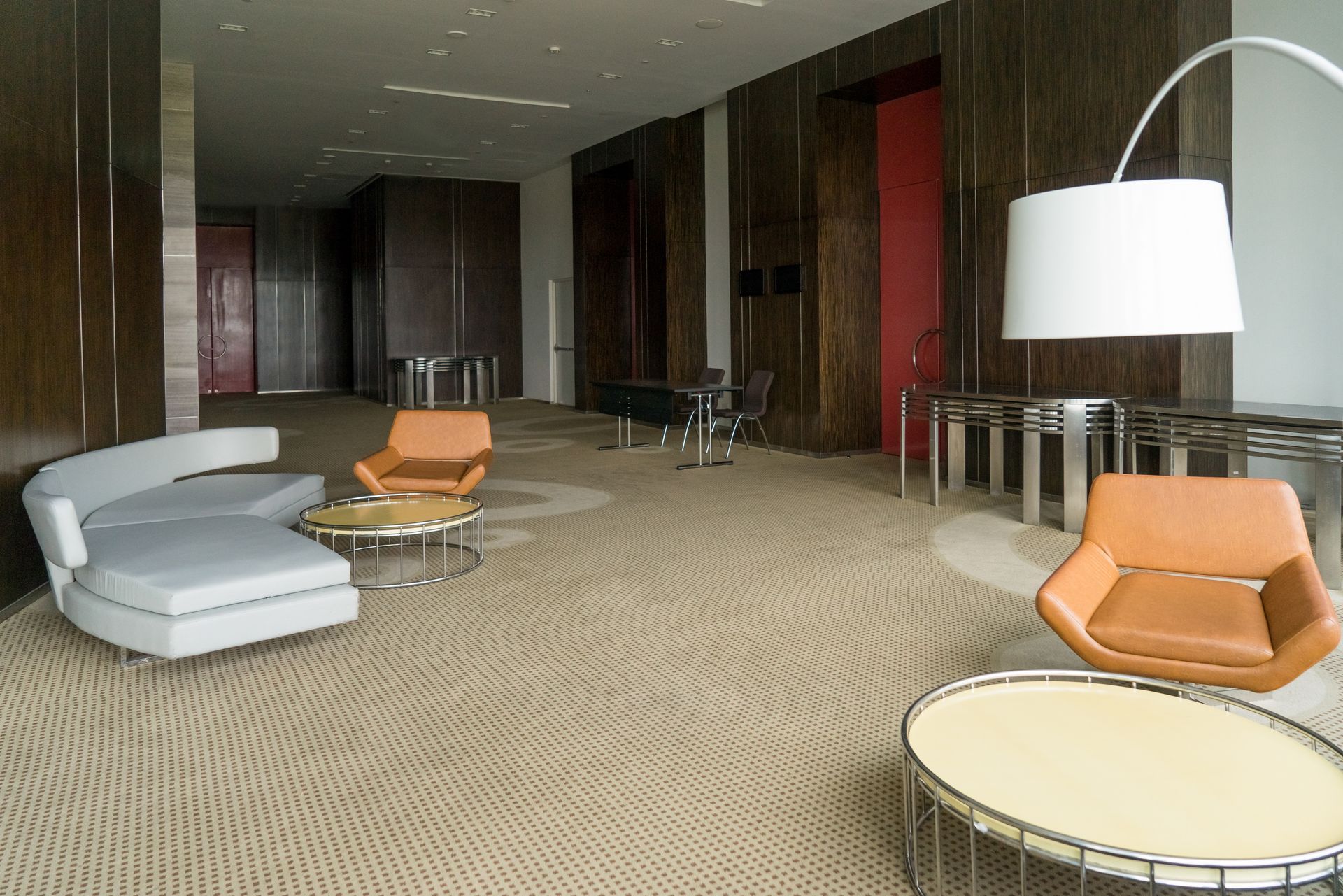
- Carpet Tiles: Offer the broadest design flexibility of any commercial flooring — hundreds of colours, textures, and patterns. Tiles can be mixed and matched for creative zoning, branding, and wayfinding. The aesthetic is softer and more textured than hard-surface floors.
- Winner: Depends on your design direction. LVP for timber/stone aesthetics; carpet tiles for colour, pattern, and branded design flexibility.
Acoustic Performance
- Vinyl Plank: Harder surface produces more audible footstep and furniture noise than carpet. Acoustic underlays help, but LVP is inherently louder than carpet in open-plan environments.
- Carpet Tiles: Significantly absorb airborne noise and reduce impact sound transmission. In open-plan offices, carpet tiles can reduce ambient noise levels by up to 10 decibels — a noticeable improvement in comfort and productivity.
- Winner: Carpet tiles, by a wide margin. If noise control matters (and in open-plan offices, it always does), carpet tiles are the clear choice for workstation area
Comfort Underfoot
- Vinyl Plank: Firmer than carpet but softer than ceramic tiles or stone. Anti-fatigue benefits are moderate.
- Carpet Tiles: Noticeably softer and warmer underfoot, particularly with cushion-back products. Reduces leg fatigue for staff who stand or walk frequently.
- Winner: Carpet tiles for maximum comfort; LVP for a balanced middle ground.
Water Resistance
- Vinyl Plank: 100% waterproof. Handles spills, wet mopping, and even temporary flooding without damage. Ideal for kitchens, bathrooms, and areas near entry points.
- Carpet Tiles: Not waterproof. Significant spills need prompt attention. Prolonged moisture exposure can cause odour, mould, and backing degradation.
- Winner: Vinyl plank, definitively. For any area where water is a regular presence, LVP is the right choice.
Durability & Maintenance
- Vinyl Plank: Extremely durable in commercial settings. Scratch-resistant, stain-resistant, and requires only sweeping and damp mopping. No waxing or polishing needed. Typical commercial lifespan: 15-20 years.
- Carpet Tiles: Durable in appropriate applications but shows wear and soiling faster than hard surfaces, particularly in heavy-traffic zones. Requires regular vacuuming and periodic deep cleaning. Individual tiles can be replaced when worn — a major cost advantage. Typical commercial lifespan: 10-15 years (with spot replacement extending this indefinitely).
- Winner: LVP for lower maintenance effort; carpet tiles for lower long-term cost through selective replacement.
Cost (Melbourne 2026)
- Vinyl Plank: $45 to $90 per square metre installed.
- Carpet Tiles: $25 to $80 per square metre installed.
- Winner: Carpet tiles offer a lower entry point and lower total cost of ownership for most office environments. LVP is more cost-effective than real timber or stone alternatives.
The Best Approach: Use Both
The smartest commercial flooring schemes often combine both products. A common and highly effective approach is carpet tiles in workstation and meeting areas (for acoustics and comfort) with LVP in reception, breakout, kitchen, and corridor areas (for aesthetics and water resistance). Commercial Floors designs and installs seamless transitions between flooring types to create cohesive, functional interiors.
Our Recommendation
There is no single "best" answer — the right choice depends on your specific space, usage patterns, design goals, and budget. That is exactly why we offer free on-site consultations where we can assess your premises and recommend the optimal flooring strategy.
Frequently Asked Questions
Which is cheaper — vinyl plank or carpet tiles?
Carpet tiles have a lower starting price ($25/m² installed) compared to vinyl plank ($45/m² installed). Carpet tiles also offer lower long-term costs through individual tile replacement rather than full floor replacement. LVP has lower ongoing maintenance costs. The most economical choice depends on your specific situation.
Which is better for office noise?
Carpet tiles are significantly better for noise reduction in offices. They absorb both airborne sound and impact noise, reducing ambient noise levels by up to 10 decibels. If noise control is a priority in your open-plan office, carpet tiles are the clear winner for workstation areas.
Can you mix vinyl plank and carpet tiles in the same space?
Yes, and we recommend it. Using carpet tiles in workstation areas for acoustics and comfort, with LVP in reception, kitchens, and corridors for durability and water resistance, gives you the best of both products. We design seamless transitions between the two.
Get a Free Quote Today
Call us on 0419 810 810 or request a free measure and quote. We come to you — anywhere in Melbourne and regional Victoria.