When your commercial or industrial concrete floor needs a new surface, three main options dominate: epoxy coatings, commercial vinyl, and polished concrete. Each has distinct strengths and ideal applications. This guide provides an honest, side-by-side comparison to help you choose the right solution for your specific commercial environment.
Head-to-Head Comparison
Durability & Lifespan
Epoxy: 10–20 years in commercial environments. Extremely impact-resistant and chemical-resistant. Can be recoated without full removal.
Vinyl: 15–25 years for commercial-grade sheet vinyl. Excellent wear resistance but can be punctured by sharp heavy objects.
Polished Concrete: 20+ years with minimal maintenance. The most durable long-term option. The concrete itself is the floor.
Winner: Polished concrete for pure longevity. Epoxy for environments with chemical exposure.
Chemical Resistance
Epoxy: Excellent. Can be formulated to resist specific chemicals. The best choice for factories with chemical exposure.
Vinyl: Good resistance to most commercial cleaning chemicals. Limited resistance to solvents and strong acids.
Polished Concrete: Moderate. Sealed concrete resists most spills but can be stained by strong acids or chemicals if not treated promptly.
Winner: Epoxy, clearly. For extreme chemical environments, polyurethane cement is the ultimate solution.
Hygiene
Epoxy: Seamless, non-porous. Easy to clean and sanitise. Excellent for food processing and healthcare.
Vinyl: Sheet vinyl with heat-welded seams is the gold standard for hospitals. Seamless and hygienic.
Polished Concrete: Non-porous when sealed. Easy to clean but has control joints that can harbour bacteria.
Winner: Vinyl for healthcare (heat-welded seams). Epoxy for food processing.
Aesthetics
Epoxy: Wide range of colours and decorative finishes (flake, metallic, quartz). Can be stunning in showrooms.
Vinyl: Vast design range including timber, stone, and pattern options. The most design-flexible option.
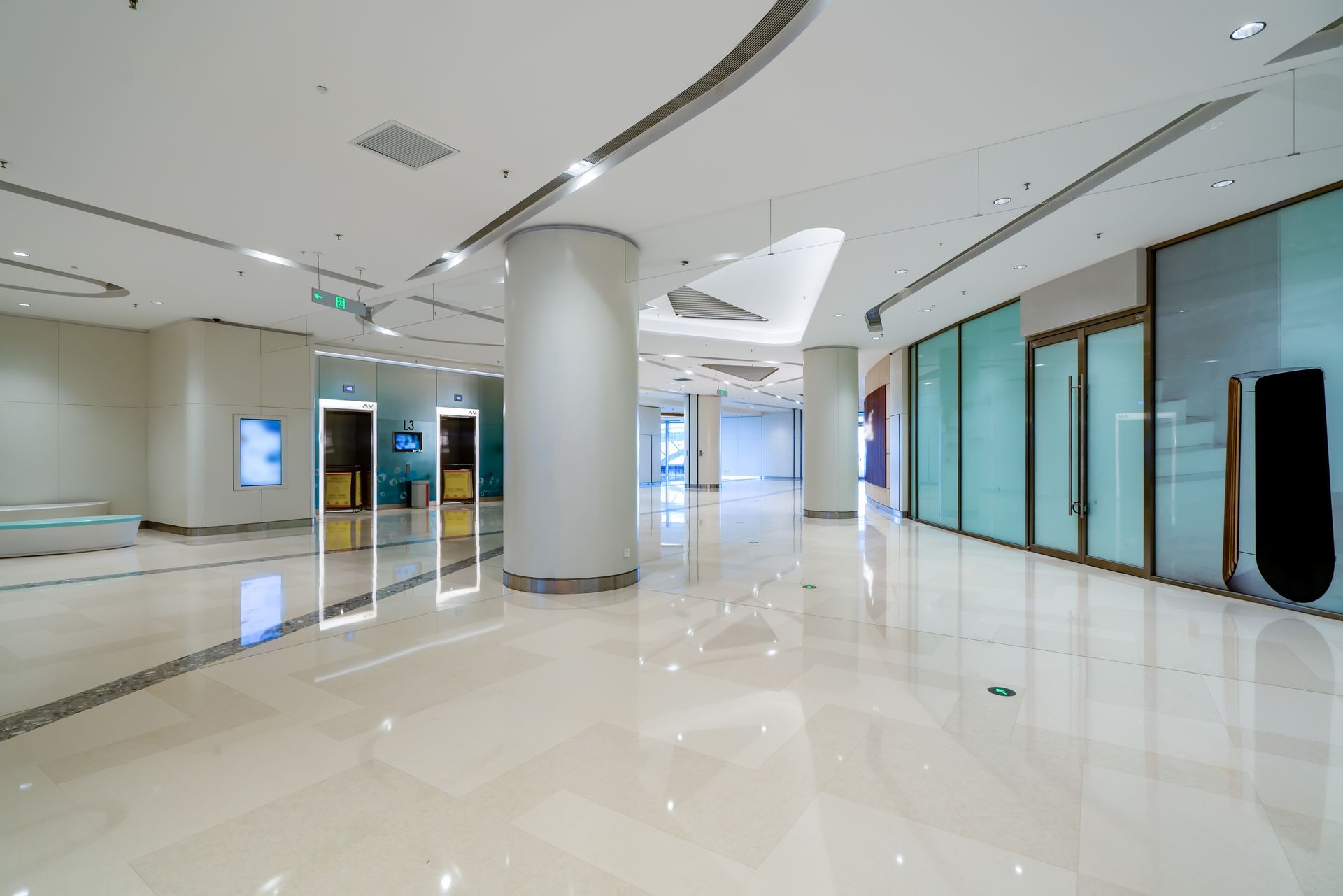
Polished Concrete: Industrial-chic aesthetic with exposed aggregate options. Contemporary and architectural.
Winner: Depends on your design direction. Vinyl for the widest design range; polished concrete for minimalist/industrial; epoxy for high-gloss showroom impact.
Cost (Melbourne 2026, installed)
Epoxy: $60–$150/m² depending on system type.
Vinyl: $35–$90/m² depending on product grade.
Polished Concrete: $50–$120/m² depending on finish level.
Winner: Vinyl has the lowest entry point. All three offer excellent value-for-money considering their lifespans.
Which Should You Choose?
Choose Epoxy if: You have a factory, warehouse, commercial kitchen, or any environment with chemical exposure, forklift traffic, or food safety requirements.
Choose Vinyl if: You need a hospital-grade hygienic floor, want maximum design flexibility, or need the widest range of slip resistance options.
Choose Polished Concrete if: You want a contemporary, low-maintenance floor with the longest possible lifespan, ideal for showrooms, modern offices, retail, and warehouse environments.
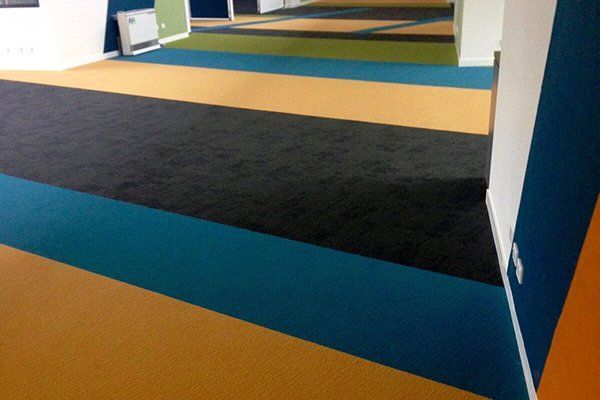
Or combine them: Many commercial facilities use different systems in different zones — epoxy in the factory, vinyl in the clean room, polished concrete in the showroom, and carpet tiles in the office.
Not sure? That is exactly what our free site consultation is for. Call 0419 810 810.
Frequently Asked Questions
Which is cheaper — epoxy, vinyl, or polished concrete?
Commercial vinyl has the lowest starting price at $35/m² installed. Polished concrete starts from $50/m² and epoxy from $60/m². However, polished concrete has the lowest lifetime cost due to its 20+ year lifespan and minimal maintenance. The most economical choice depends on your specific environment and requirements.
Which commercial floor is the most durable?
Polished concrete is the most durable commercial floor for general use, lasting 20+ years. For environments with chemical exposure, epoxy is more durable because it protects the concrete from chemical attack. For food processing with thermal shock, polyurethane cement is the toughest option available.
Can you install different flooring types in the same building?
Yes, and we recommend it. Most commercial buildings benefit from different flooring in different zones: carpet tiles in offices, vinyl in healthcare areas, epoxy in factories, and polished concrete in showrooms. We design and install seamless transitions between flooring types.
Get a Free Quote Today
Call us on 0419 810 810 or request a free measure and quote. We service all of Melbourne and regional Victoria — commercial and industrial premises only.